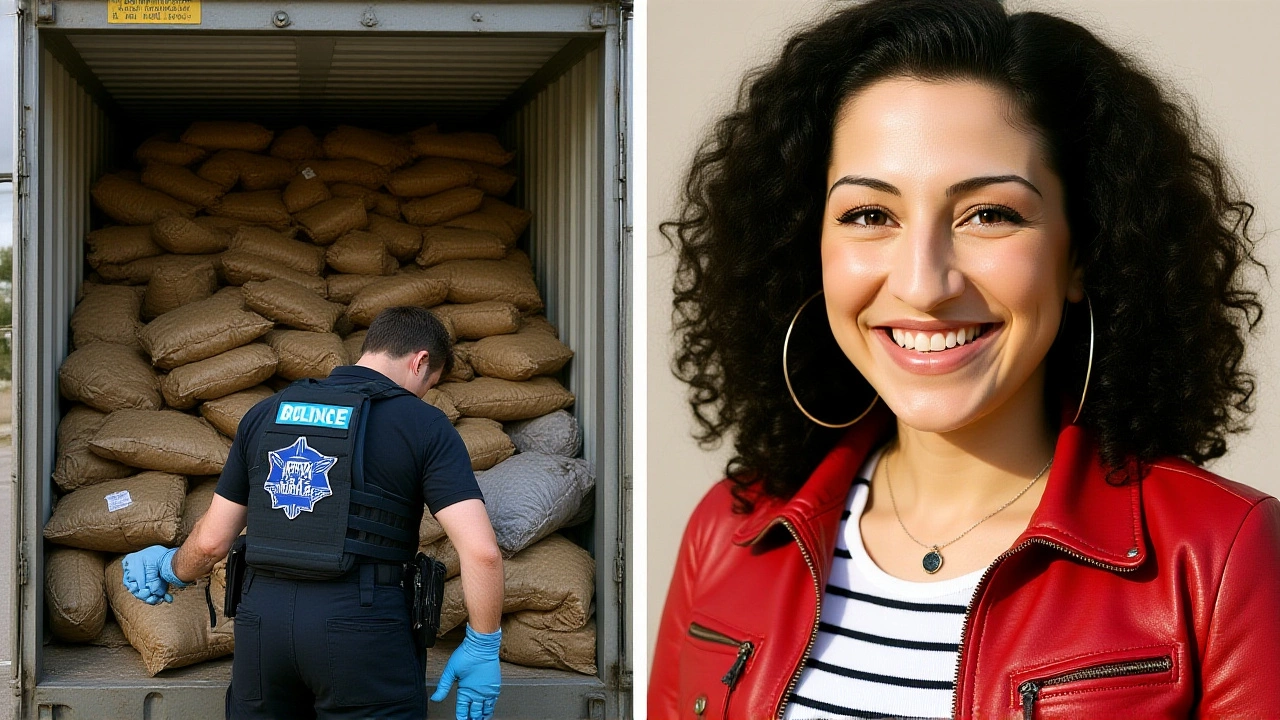
It’s the kind of headline that stops you mid-scroll. A British soap opera star, known for dramatic plot twists on screen, is now at the center of a very real-life thriller involving $300 million worth of illicit drugs. The arrest follows a massive discovery of 320 kilograms of methamphetamine in Sydney, Australia. It’s a stark reminder that celebrity status offers no shield against serious criminal allegations.
The news broke via social media posts from News.com.au, reporting that the actress was detained alongside other suspects. While her specific name hasn’t been widely confirmed in initial reports to protect privacy pending formal charges, the description is clear: she’s a UK-based television personality. The operation, described as an "Aussie drug bust," highlights the transnational nature of modern organized crime networks.
The Scale of the Seizure
Here’s the thing about numbers like these—they don’t just look big; they signal a major logistical operation. Three hundred and twenty kilograms of meth isn’t a street-level deal. That’s roughly 705 pounds of the substance. At street value, this shipment is estimated at $300 million. Even at wholesale rates, it represents a significant financial windfall for trafficking rings.
This volume suggests a sophisticated supply chain. We’re talking about coordination across borders, likely involving shipping containers or hidden compartments in commercial cargo. The fact that it was intercepted in Sydney points to successful intelligence work by Australian authorities. It’s not just a lucky break; it’s the result of months, if not years, of surveillance and data analysis.
Who Is Involved?
The suspects, including the actress, are all reported to be in their early thirties. This demographic detail is interesting. It suggests a younger cohort of organizers, possibly leveraging digital communication tools to coordinate shipments while maintaining plausible deniability. The group dynamic implies a network rather than a lone wolf scenario.
While the focus is naturally on the high-profile actress, the involvement of multiple suspects indicates a structured organization. In similar cases, celebrities or individuals with means are sometimes recruited as "money mules" or used for their travel privileges to move product across borders. Alternatively, they may be deeper players in the hierarchy. The details are still unclear, but the pattern is familiar in international narcotics investigations.

Timeline of Events
The sequence of events is crucial here. First, the drugs were discovered. Then, the arrests followed. According to reports, the suspects were taken into custody on February 8. The discovery of the meth preceded the arrests, meaning law enforcement had secured the evidence before moving on the people.
- Discovery Phase: Authorities identified the 320kg of meth in Sydney. Specifics on how—whether through port scans, informants, or financial tracking—are not yet public.
- Arrest Date: February 8. All suspects, including the UK national, were detained simultaneously.
- Next Steps: The suspects are expected to appear in court. Formal charges will determine the severity of the legal battle ahead.
Why This Matters Beyond the Headlines
Beyond the sensationalism of a TV star’s arrest, this case underscores the persistent threat of synthetic drugs in Australia. Methamphetamine remains one of the most harmful substances circulating globally. The sheer value of this bust—$300 million—shows the economic incentive driving these crimes. It’s not just about addiction; it’s about massive profit margins that fuel corruption and violence worldwide.
For the entertainment industry, it’s a cautionary tale. Public figures are increasingly targeted by criminal organizations for their visibility and resources. Or, conversely, their private lives can unravel under the weight of serious accusations. Either way, the intersection of fame and felony is a dangerous place to be.
What Happens Next?
The legal process will be slow but rigorous. The suspects will face preliminary hearings where prosecutors must present enough evidence to justify detention and eventual trial. Given the quantity of drugs, the penalties could include decades in prison. International extradition protocols may also come into play if any suspects attempt to flee or if jurisdictional disputes arise between UK and Australian authorities.
We’ll be watching closely for official statements from the Australian Federal Police or local NSW police forces. Until then, speculation runs rampant. But one thing is certain: this case won’t disappear quietly. It’s a major win for law enforcement, and a devastating turn for those involved.
Frequently Asked Questions
Who exactly was arrested in the Sydney drug bust?
Reports identify a British soap opera actress as a key suspect, though her full name has not been officially released in early coverage to respect privacy laws pending formal charges. She was arrested alongside several other individuals, all described as being in their early thirties. The group appears to have worked together in the distribution network.
How much was the seized methamphetamine worth?
The 320 kilograms of methamphetamine discovered in Sydney is valued at approximately $300 million. This figure likely represents the potential street value of the drugs. At wholesale levels, the value would be lower, but still substantial enough to indicate a major organized crime operation.
When did the arrests take place?
The suspects were arrested on February 8. The discovery of the drugs occurred prior to this date, allowing authorities to secure the evidence before executing warrants for the individuals involved. Court appearances are expected to follow shortly after the initial detention period.
Which agency led the investigation?
While the specific agency wasn't named in the initial social media reports, operations of this scale in Sydney typically involve the New South Wales Police Force (NSWPF) in collaboration with the Australian Federal Police (AFP). These agencies often work together on cross-border narcotics trafficking cases involving large volumes of controlled substances.
Is this common for celebrities to be involved in drug trafficking?
It is relatively rare but not unprecedented. Criminal organizations sometimes target individuals with high mobility, financial resources, or low suspicion profiles. Celebrities can be exploited as unwitting mules or, less commonly, as active participants seeking quick profits. Each case is investigated on its own merits based on evidence of intent and knowledge.